Charting the diversity of rural Europe, step by step
RURALITIC is building new ways to understand and anticipate the futures of rural areas in Europe. Progress towards this goal depends on research that rigorously tests new concepts and methods. On 5 December 2025, Marh Echtai, PhD candidate at TU Delft and member of the RURALITIC team, successfully passed her Go/No-Go evaluation. This evaluation marks an important step in her doctoral research, which contributes to the project’s work on rural diversity and future scenarios.
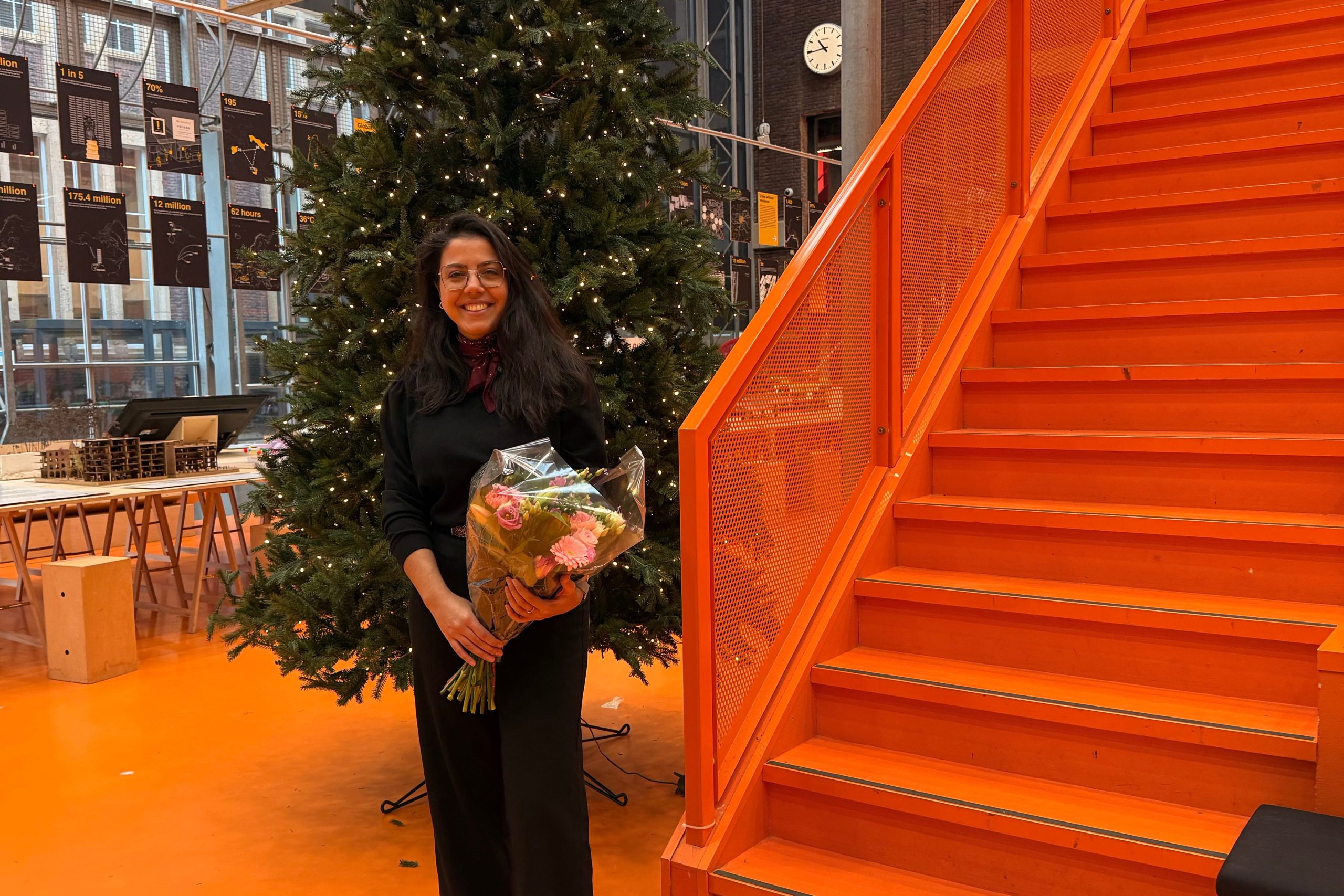
The Go/No-Go evaluation is a formal assessment at the end of the first doctoral year and determines whether a candidate is on track to complete their PhD within the standard four-year timeframe. The positive outcome has validated the scientific quality and relevance of the research developed during Marh’s first year.
A new typology
Marh’s PhD research, titled “The Right to the Rural: A framework for equitable and resilient rural futures”, aims to develop a justice-oriented and socio-relational typology that will facilitate a more comprehensive understanding of European rural territories and their future development pathways.
A typology is a systematic way of classifying places into groups based on shared characteristics and relationships. In this research, it goes beyond conventional measures such as density or remoteness to examine how power, access, and relationships shape rural life. It considers key flows and exposures, including the movement of people, money, data, and services, alongside dimensions of recognition and representation such as political voice, stigma, and institutional capacity.
The outcome is a set of actionable rural types that reflect green, digital, and demographic transitions and guide fairer, place-specific policies.
The research contributes directly to the construction of a new indicator framework and typology for rural areas across Europe. This includes selecting policy-relevant indicators and identifying clusters of rural territories that share common challenges. Together, these outputs will form the analytical backbone for other RURALITIC research, supporting surveys, ethnographic research, and scenario development carried out by project partners.
This framework will also underpin the exploration of future rural scenarios, economic modelling, and pilot initiatives on climate-smart farming and farmer well-being. By grounding foresight activities in a robust understanding of rural diversity, Marh’s research helps ensure that future projections remain socially grounded and context-sensitive, thereby strengthening the relevance of RURALITIC’s policy- and practice-oriented insights.
Project synergies
The Go/No-Go evaluation also served as an opportunity to create synergies with other EU-funded projects. The TU Delft team invited Professor Bettina Bock, Professor of Inclusive Rural Development at Wageningen University and an active contributor to the GRANULAR project, to join the doctoral evaluation committee.
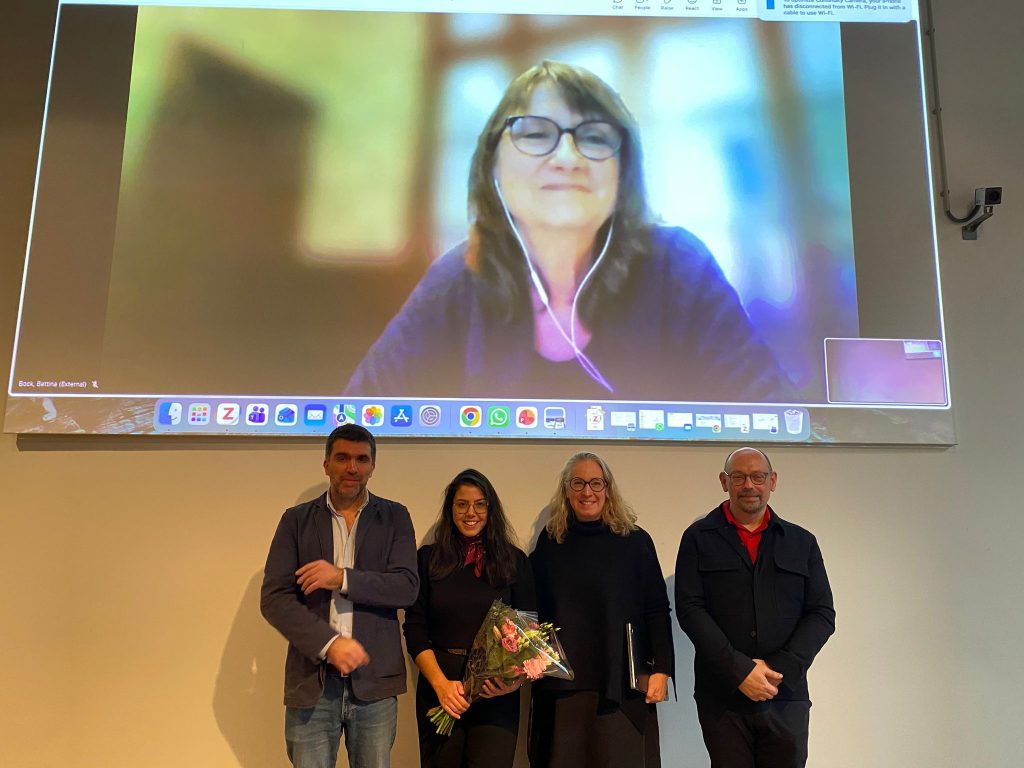
Professor Bock’s constructive feedback highlighted the need to engage diverse rural voices, the uniqueness of “rural” spaces within an urban-rural continuum, and the internal differentiation of specific rural units beyond inter-type comparisons. These comments were welcomed by Marh and the TU Delft team, as they closely align with RURALITIC’s ambition to refine how Europe is understood and represented.
RURALITIC builds knowledge that supports equitable and resilient rural futures. To stay informed about academic progress and emerging insights, follow RURALITIC on BlueSky and LinkedIn. Our scientific publications are available on Zenodo.